
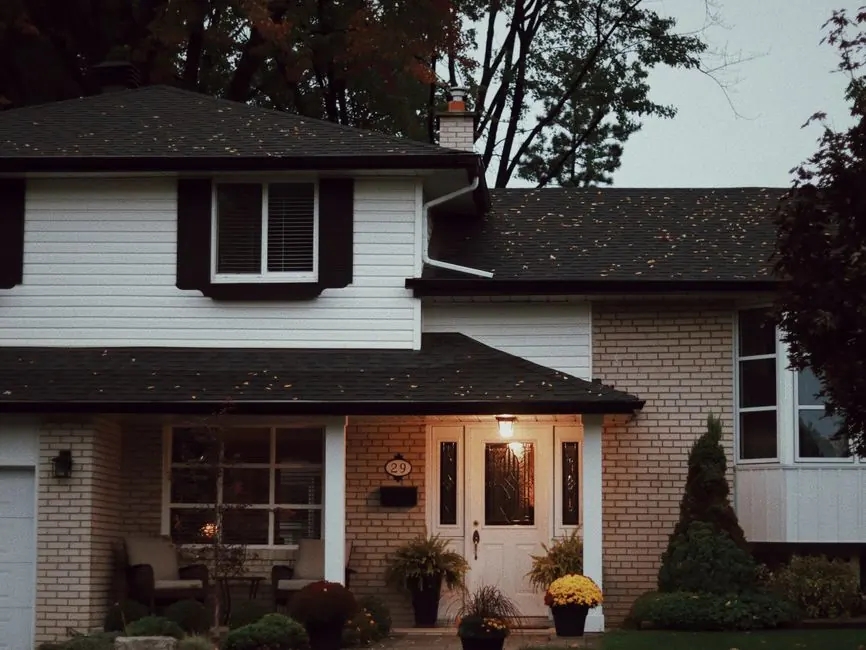
The best roof color for a Texas home is the lightest one your HOA and neighborhood will allow, because a lighter shingle reflects more of the sun's energy and keeps your attic cooler through a Houston or Dallas summer. If you want the short version: go light for heat, go mid-tone for resale, and never pick a color from a photo - always look at a physical sample on your own roof at noon. Choosing a roof color for your Texas home is really three decisions stacked on top of each other: heat performance, neighborhood fit, and long-term value.
We install and replace roofs across Texas, and the color conversation comes up on almost every job. Below is how we walk homeowners through it, including the shingle colors that actually sell in Texas subdivisions, what changes when you switch from asphalt to metal, and the mistakes that cost people a repaint or a re-roof.
Start with heat, not with looks
Texas roofs absorb brutal solar load from May through September, and the color of the shingle is the first surface that load hits. A dark charcoal asphalt shingle on a west-facing slope in Austin can run 40 to 60 degrees hotter at the surface than a light tan or weathered-wood shingle on the same slope. That heat pushes down through the deck and into the attic, where it sits until your AC pulls it back out.
The practical rule we give homeowners: on a home with limited attic ventilation or an older HVAC system, the roof color is doing real work. On a well-ventilated 2015-or-newer build with a radiant barrier in the attic, color matters less because the barrier is already blocking most of the radiant heat. If you are unsure which camp you are in, a Roof Inspection in Texas will tell you in about an hour whether your attic is vented properly and whether your current shingles are even worth matching.
Three things drive how hot a roof runs:
- Shingle color - light reflects, dark absorbs. This is the biggest single variable.
- Shingle material - asphalt, metal, tile, and modified bitumen all behave differently. Metal reflects more than asphalt at the same color.
- Attic ventilation - ridge vents, soffit vents, and solar attic fans move the trapped heat out before it reaches your living space.
What is the best roof color for Texas heat?
The best roof color for Texas heat is white, light gray, or a light tan with a high solar reflectance index, because those colors bounce a meaningful share of the sun's energy back into the sky instead of into your attic. In practical terms, a light gray or white shingle can keep an attic 10 to 20 degrees cooler on a 100-degree afternoon than a black or dark brown shingle on the same house.
That said, pure white asphalt shingles look out of place on most Texas brick homes, and many HOAs in the Houston and Dallas suburbs will not approve them. The workable compromise is a light-to-mid gray, a weathered wood, or a light tan - colors that read as "light" on a reflectance chart without looking like a commercial building. We also see homeowners move to Metal Roofing in Texas specifically because a light-colored standing-seam or stone-coated metal panel reflects more heat than asphalt at the same shade, and it holds that reflectance longer as it ages.
If you are weighing a full material change, the color decision gets easier once you know the material. A Roof Replacement in Texas is the right time to make that call, because switching from asphalt to metal or tile changes both the color palette available and the way the color reads from the street.
How roof color affects energy costs in Texas
Roof color affects energy costs in Texas by changing how much heat enters the attic, which changes how hard your air conditioner has to work from June through September. On a typical 2,000-square-foot single-story home in the Houston or San Antonio area, moving from a dark shingle to a light reflective shingle can trim cooling costs by roughly 5 to 12 percent during peak summer months. On a two-story home with a large south- and west-facing roof plane, the swing is bigger.
Put real numbers on it. If your summer electric bill runs $280 a month, a 10 percent cooling reduction is about $28 a month, or roughly $110 to $130 across a Texas cooling season. Over the 20-to-25-year life of an asphalt roof, that is real money - but it is not enough on its own to justify a re-roof. The energy savings matter most when you are already replacing the roof and the color choice is free.
What does not work: painting a dark shingle lighter, or assuming a "cool roof" label on a shingle means much in Texas without attic ventilation to back it up. Reflectance gets the heat off the shingle; ventilation gets it out of the attic. You need both.
Popular roof shingle colors in Texas neighborhoods
Popular roof shingle colors in Texas neighborhoods cluster into four families, and which one dominates depends on the era your subdivision was built and the brick color the builder used. Walk any Houston-area neighborhood built between 2000 and 2015 and you will see the same palette repeating lot to lot.
- Weathered wood and driftwood - the default in most Texas subdivisions. Reads as a warm gray-brown, hides dust and pollen well, and pairs with almost any brick.
- Charcoal and black walnut - common on newer builds and on homes with white or light-gray brick. Sharp curb appeal, but the hottest option in July.
- Light gray and pewter - the go-to when heat performance matters and the HOA allows it. Looks clean on stone and stucco.
- Brown and taupe blends - still standard across older parts of Roofing in Houston and the surrounding suburbs, especially on red-brick ranch homes from the 1970s and 1980s.
One thing we tell every homeowner: drive your own street and count. If 80 percent of the roofs on your block are weathered wood, that is not an accident - it is what the builder installed, what the HOA approved, and what buyers in that neighborhood expect. Deviating hard from that palette is a choice, and it should be a deliberate one.
Matching roof color to your Texas home exterior
Matching roof color to your Texas home exterior comes down to the brick, stone, or siding tone and how much sun the front of the house gets. The roof is the largest single color surface on the home, so it sets the tone for everything else - shutters, trim, garage doors, and the front door.
A few pairings that consistently work in Texas:
- Red or orange brick - go with a brown, taupe, or weathered-wood shingle. Charcoal fights the brick; light gray can look washed out.
- White or cream brick - charcoal, dark gray, or black walnut gives contrast and looks intentional.
- Stone or stucco - light gray, pewter, or a soft brown blend reads clean and modern.
- Painted siding (any color) - match the roof to the trim, not the siding. A mid-tone gray or brown is the safe move.
Order physical samples. Shingle manufacturers publish small color chips, and most suppliers will let you take a handful home. Tape three or four to a south- or west-facing roof plane and look at them at 8 a.m., noon, and 6 p.m. Color shifts dramatically with the sun angle in Texas, and a shingle that looks perfect in a showroom can look pink or green on your roof at 4 p.m.
Does roof color affect home value in Texas?
Roof color affects home value in Texas indirectly - through curb appeal and through how quickly a buyer's eye accepts the house - rather than through any appraisal line item. Appraisers do not add or subtract value for shingle color. Buyers do, and a roof that clashes with the brick or stands out oddly from the rest of the street can slow a sale or invite a lowball offer.
The safest resale play in most Texas markets is to match the dominant color in your neighborhood. If you plan to sell within five years, do not use the roof as your personal design statement. If you plan to stay 15 years or more, pick what you actually want to look at every day - the resale penalty for a tasteful but uncommon color is small.
Two other resale factors matter more than color: the roof's age and its condition. A 12-year-old roof in a popular color is worth less to a buyer than a 2-year-old roof in an unusual one. If your roof is nearing the end of its life, a Roof Repair in Texas can buy you time, but a buyer's inspector will flag the age regardless of how good the color looks.
HOA rules, deed restrictions, and historic districts
HOA rules and deed restrictions override your color preference in most Texas subdivisions, and they are the single most common reason a homeowner ends up redoing a color decision. Before you order shingles, get the architectural review approval in writing. Most HOAs in the Houston, Dallas, and Austin metro areas maintain an approved palette of three to six shingle colors, and they will reject anything outside it - sometimes after the roof is already installed.
Historic districts add another layer. If your home sits in a designated historic area, the color and material may be restricted to what was originally used on the house. We have seen homeowners in older parts of Roofing in San Antonio run into this on 1920s bungalows, where the district wanted a specific shingle profile and color to match the era.
The order of operations we recommend:
- Pull your HOA's architectural guidelines and approved color list.
- Confirm whether your home is in a historic district or has deed restrictions.
- Narrow to two or three colors that satisfy both.
- Order samples and view them on your actual roof.
- Submit the HOA request before you sign a contract.
Common mistakes when picking a roof color
The most expensive roof color mistakes are the ones made from a photo or a showroom wall instead of from your own driveway. Here is what we see go wrong most often.
- Choosing from a brochure. Printed colors and screen colors both lie. Physical samples on your roof are the only reliable test.
- Ignoring the sun angle. A shingle that looks gray at 9 a.m. can look brown at 3 p.m. Check it at multiple times of day.
- Forgetting the HOA. Installing an unapproved color can mean removing a brand-new roof. Get approval first.
- Matching the old roof out of habit. If you never liked the color, replacement is the one free chance to change it.
- Going too dark for the heat. A black roof on a poorly vented Texas attic is a summer-long penalty on your electric bill.
- Not accounting for hail. Color does not change how a shingle handles hail - the impact-resistant rating does. If you are in a hail-prone part of Texas, pick an impact-rated shingle in the color you want rather than compromising on color.
When to call a professional
Call a professional when you are within a year or two of needing a replacement, because that is when the color decision is free - you are buying a new roof anyway. We handle the whole sequence: inspect the current roof, tell you honestly how much life is left, help you narrow the color options to what your HOA allows, and install the shingle you pick.
Our team works across the state, from Roofing in Dallas and the surrounding suburbs to the Gulf Coast, and we bring physical samples to the estimate so you can see the colors on your own roof before you commit. If your roof has active leaks or storm damage, that comes first - color can wait until the roof is sound.
Frequently Asked Questions
How do I choose a roof color for my Texas home?
Start with heat: pick the lightest color your HOA allows. Then match the dominant shingle color in your neighborhood for resale, and confirm the choice with a physical sample viewed on your own roof at noon. Get HOA approval in writing before you sign a contract.
What is the best roof color for Texas heat?
White, light gray, and light tan shingles with a high solar reflectance index perform best. They can keep an attic 10 to 20 degrees cooler on a 100-degree day than a dark shingle, which trims summer cooling costs by roughly 5 to 12 percent on a typical Texas home.
Does roof color affect home value in Texas?
Not through the appraisal, but through buyer perception. A roof that matches the neighborhood and complements the brick sells faster. A clashing or unusual color can slow a sale. Roof age and condition matter more to buyers than color.
What roof colors are popular in Texas?
Weathered wood, driftwood, and brown blends dominate older Texas subdivisions. Charcoal and black walnut are common on newer builds with light brick. Light gray and pewter are the go-to when heat performance and HOA rules both allow a lighter tone.
Can I change roof color during replacement in Texas?
Yes - replacement is the easiest time to change color, since the old shingles come off anyway. Confirm the new color is on your HOA's approved list first, and check whether your home is in a historic district with material or color restrictions.
Get help with Roofing in Texas
If you are ready to pick a color and get it installed, we will bring samples to your driveway, walk the roof with you, and give you a straight answer on how much life is left. Call Local Roofing Texas at (888) 842-0089 and we will schedule a free estimate at your home.