
Local Roofing Texas logo Local Roofing Texas
Get Estimate

Metal Roofing in Texas Built for Hail, Heat, and High Winds

Standing seam and metal panel systems installed statewide by local crews


Metal Roofing in Texas is a different animal than what gets nailed down in milder states. Between 100-degree summers, golf-ball hail, and straight-line winds that peel shingles off in sheets, you need a roof that fights back. We install standing seam and exposed-fastener metal roof systems across Texas, from Gulf Coast humidity to Panhandle dust. If your asphalt shingles are aging out or your insurance carrier is pushing for a replacement, we'll give you a straight answer and a same-day estimate.

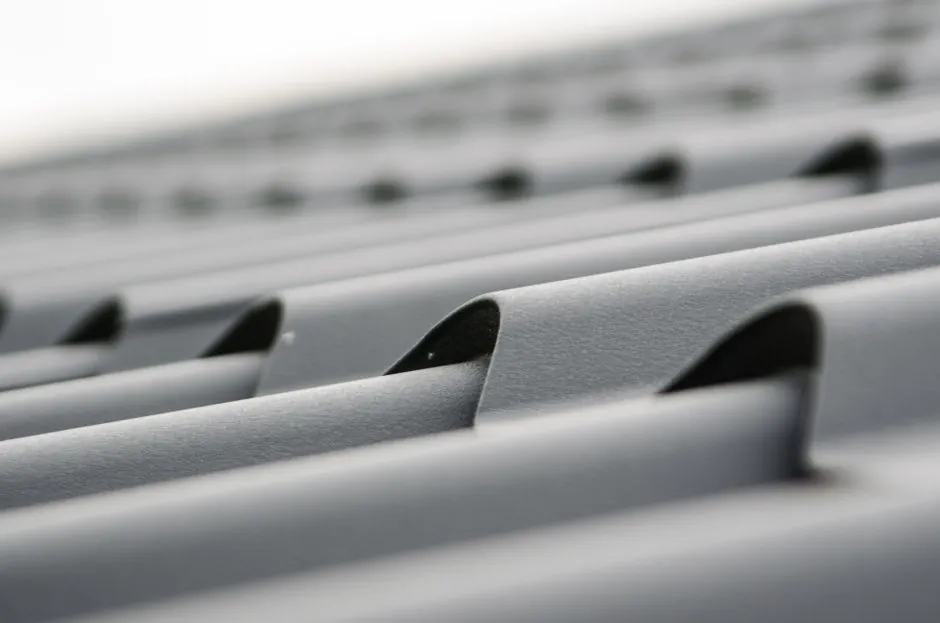
Detailed close-up of grey metal roof sheets showcasing texture and design.
Licensed Licensed & Bonded
Fully Insured Insured & Bonded
24/7 Emergency Same-Day Response
Warranty Backed Workmanship Guaranteed

What's Included in a Metal Roof Install

Every metal roof we install covers the full system, not just the panels. Here's what's in the scope and what gets quoted separately.

Tear-Off and Disposal

We strip the old shingles, underlayment, and flashing, then haul it off in dumpsters. Decking gets inspected for rot and soft spots. Any bad sheathing is replaced before panels go down. Most tear-offs on a 2,500-square-foot roof take one to two days.
Synthetic Underlayment

A high-temp synthetic underlayment goes over the deck before panels. It sheds water if a panel ever lifts and adds a second barrier against wind-driven rain. Ice-and-water shield runs at the valleys and eaves as extra protection.

Standing Seam or Exposed-Fastener Panels

You choose the panel type and gauge. Standing seam uses concealed clips so the metal floats with temperature swings. Exposed-fastener panels screw through the face and cost less. Both come in 24-gauge or 26-gauge steel with a baked-on finish.

Flashing and Penetration Sealing

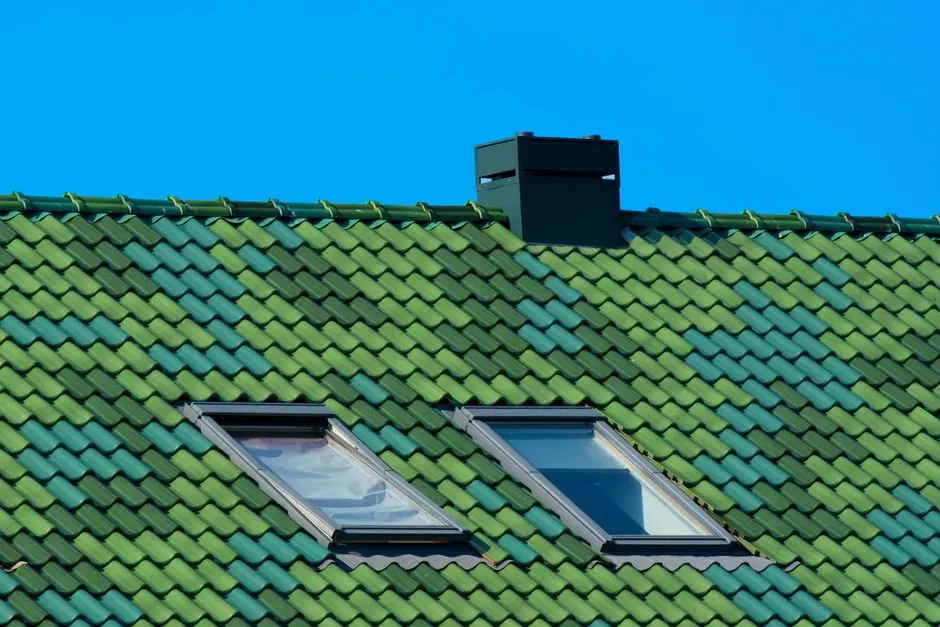
Chimneys, pipe boots, skylights, and valleys all get new flashing, not reused material. Every penetration gets sealant rated for Texas UV. Flashing failure is the number-one source of roof leaks we see on metal roofs, so we don't cut corners here.

Ridge Vents and Ventilation

We install ridge vents and check intake ventilation at the soffits. Proper airflow keeps attic temps down and prevents moisture buildup under the panels. Ventilation issues are a common cause of premature shingle aging, and they matter just as much under metal.

Final Cleanup and Warranty

Magnetic sweeps run every evening and again at the end. We walk the roof with you, show you the seams and flashing, and hand over the manufacturer warranty plus our 10-year labor warranty. You get a written maintenance schedule before we leave.

What Metal Roofing in Texas Actually Involves


Metal Roofing in Texas is a roof system made from steel, aluminum, or copper panels that interlock or overlap across your deck, replacing asphalt shingles, tile, or flat membrane. We install two main types: standing seam, where concealed clips let the panels expand and contract with temperature swings, and exposed-fastener panels screwed directly through the metal. Both sit on a synthetic underlayment over your existing deck, with ridge vents, flashing, and sealant at every penetration. Panels run 24-gauge to 26-gauge steel on most homes, and the finish is a Kynar 500 or SMP coating baked on to hold color through Texas UV.

Most Texas homeowners call us for one of three reasons: a roof that's 15 to 20 years old and starting to curl, a hail claim that totaled the shingles, or a new build where they want to skip the shingle cycle entirely. Texas metal roofing handles all three. The average asphalt roof in this state lasts 12 to 18 years because of heat and hail. A metal roof installation Texas crews install correctly will run 40 to 70 years. That's the math that matters when you're pricing metal roofing in Texas cost against another shingle tear-off.

How Our Metal Roof Installation Works

Five steps from first call to final walkthrough, with a clear timeline at each stage.

01

Schedule

Call or book online — a real human picks up and confirms a 2-hour arrival window.

02

Diagnose

Licensed tech inspects on-site, then walks you through the cause and your options.

03

Fix

The job is completed to code and done right the first time — no shortcuts, no surprises.

04

Guarantee

Every job backed by a written workmanship warranty — and we stand behind it.

Tools and Methods We Use

Tools & Equipment

Roofing nail gun

Drives underlayment and flashing fasteners at consistent depth so nothing over-penetrates the deck. We run pneumatic guns with depth settings matched to panel gauge.

Chalk line

Snaps straight reference lines across the deck so panel runs stay parallel. Off-line panels show at the ridge and cause flashing gaps.

Safety harness

OSHA-compliant fall protection on every roof, every day. Harnesses anchor to ridge points and get inspected before each job.

Moisture meter

Reads deck moisture before panels go down. Soft or wet sheathing gets replaced, not covered up. We check every 100 square feet.

Infrared camera

Finds hidden leaks and wet insulation from inside the attic. We use it on inspections and after storm claims to document what the eye can't see.

Tarp

Emergency cover after storm damage. We tarp same-day, 24/7, to stop water intrusion until permanent repairs are scheduled.

Methods & Standards

HAAG Certified Inspection

A standardized storm damage inspection protocol used by insurance adjusters. We photograph every impact, measure hail size, and document wind direction. The report goes straight to your carrier with the claim.

Standing seam with concealed clips

Panels clip to the deck without penetrating the face, so the metal floats with temperature swings. This is the system we recommend for Texas heat and hail. Rated to 140 mph when installed to code.

Synthetic underlayment over ice-and-water shield

A high-temp synthetic underlayment covers the deck, with ice-and-water shield at valleys and eaves. It's a second water barrier if a panel ever lifts and it protects the deck from wind-driven rain.

Magnetic sweep protocol

We run magnetic sweepers across the yard, driveway, and flower beds at the end of every workday and again at final walkthrough. Nails and screws don't get left behind for your tires or your dog's paws.

When Texas Homeowners Call Us for Metal

01

A 15-year-old asphalt roof in Garland just got totaled by hail, and the carrier is cutting a check.

What we do: We document the damage to HAAG standards, meet your adjuster on-site, and quote a standing seam upgrade using the claim funds. You pay the difference between shingle and metal, not the full metal price.

→ A 50-year metal roof for a fraction of retail, plus a Class 4 insurance discount that trims your annual premium.

02

A new build in Fulshear is going up and the builder is offering shingles as standard.

What we do: We quote a metal upgrade before the deck is closed in, which saves the tear-off cost entirely. Panels go down on fresh decking with new underlayment and flashing. Install runs three to four days.

→ You skip the 15-year shingle replacement cycle and lock in a 40-year roof from day one.

03

A Gulf Coast home in League City keeps losing shingles to humidity and tropical storms.

What we do: We install 24-gauge standing seam with corrosion-resistant fasteners and high-temp underlayment. Concealed clips let the metal move with heat and humidity without backing out. Crews finish in five days.

→ A roof that holds through tropical storms and doesn't need a re-nail after every wind event.

04

A homeowner in Azle wants to cut summer cooling costs without a full roof replacement.

What we do: We inspect the existing roof first. If the deck and framing are sound, we can install metal panels over the existing shingles with a proper underlayment, saving the tear-off cost. If the deck is soft, we tear off.

→ Lower upfront cost and the same reflective benefit, with attic temps dropping 20 to 30 degrees.

How Metal Roofing Runs in Texas

Texas throws everything at a roof. Gulf Coast humidity in League City and Bridge City corrodes cheap fasteners within a decade. The hail belt through Garland, Mesquite, and Rowlett gets 2-inch stones every few springs. West of Fort Worth, in Azle and Granbury, straight-line winds and UV do the damage. We spec panels for the region: 24-gauge steel with corrosion-resistant fasteners near the coast, Class 4 impact-rated panels in the hail belt, and reflective cool-roof coatings everywhere because summer attic temps hit 140 degrees. Texas Department of Insurance windstorm guidelines drive fastener spacing and clip patterns on coastal jobs, and we pull permits and coordinate inspections with local code officials. If you're pricing metal roofing in Texas cost against another shingle tear-off, factor in the insurance discount and the cooling savings. Most homeowners break even around year 12 to 15.

Neighborhoods We Serve

  • Firewheel area, Garland

    Older shingle roofs here take heavy hail in spring squall lines. We document claims to HAAG standards and quote standing seam upgrades using the claim funds.

  • South Shore Harbour, League City

    Salt air and humidity corrode fasteners fast. We spec 24-gauge panels with corrosion-resistant clips and high-temp underlayment on every coastal job.

  • Pecan Plantation, Granbury

    Tree cover and wind-driven rain push water under flashing at chimneys. We replace flashing, not reuse it, and seal every penetration with UV-rated sealant.

  • Lakeside, Azle

    Open exposure to west winds and summer UV. Reflective cool-roof coatings and 140 mph clip patterns hold up where shingles peel.

Local Conditions We Plan For

  • Hail storms from March through June

    Class 4 impact-rated panels resist 2-inch hail without cracking. That rating also qualifies for a 10% to 25% insurance discount with most Texas carriers.

  • Summer attic temps hitting 140 degrees

    Reflective metal panels with a cool-roof coating drop attic temps 20 to 30 degrees and cut AC runtime 10% to 20% on a typical Texas home.

  • Gulf Coast salt air and humidity

    Corrosion-resistant fasteners and 24-gauge panels are required near the coast. Cheap screws back out or rust through within a decade in League City or Bridge City.

  • Wind gusts over 100 mph in spring squall lines

    Standing seam with concealed clips is rated to 140 mph. Exposed-fastener panels hold to about 130 mph. Shingles start peeling at 60 to 70 mph.

Hail-Totaled Shingles to Standing Seam

Before

A 2,200-square-foot home in Garland had 15-year-old asphalt shingles with hail cracks across the south and west slopes. The carrier approved a full replacement, but the homeowner wanted to upgrade.

After

We installed 24-gauge standing seam panels with concealed clips in four days. The Class 4 rating cut the annual premium by 18%. Attic temps dropped from 138 to 112 degrees on a 100-degree day.

Maintenance: Rinse panels twice a year, check fasteners and flashing each spring, and keep tree limbs off the roof. A standing seam system needs almost nothing else for 40 years.

Before

A League City home had lost shingles in two tropical storms in five years. Fasteners on the old roof were rusted through, and the deck showed moisture at the eaves.

After

We tore off the shingles, replaced 120 square feet of soft decking, and installed 24-gauge standing seam with corrosion-resistant clips. Install ran five days. The roof has held through two tropical storms since.

Maintenance: Check flashing and pipe boots each spring, rinse salt off the panels twice a year, and keep gutters clear. Coastal metal roofs need a fastener check every three years.

Before

A 2,000-square-foot home in Azle had a 12-year-old asphalt roof and an attic that hit 142 degrees in August. The AC ran nonstop and summer electric bills topped $380 a month.

After

We installed reflective metal panels over new synthetic underlayment in three days. Attic temps dropped to 114 degrees, and the homeowner reported a 15% cut in AC runtime the first summer.

Maintenance: Rinse panels twice a year to keep the reflective coating clean, check ridge vents each spring, and schedule a professional inspection every three years.

Metal Roofing Problems We Solve in Texas

These are the calls we get most often, and what it costs you if you wait.

Problem

Shingles curling and granule loss after 12 to 15 years

Curled shingles let wind under the roof and shed granules that clog gutters. Once the mat is exposed, leaks start at the next hard rain. You're looking at interior water damage and a claim your carrier may deny for neglect.

Our Fix

We tear off the failing shingles and install a metal system rated for 40 to 70 years. The new roof resets your insurance clock and eliminates the shingle replacement cycle. Most installs finish in three to five days.

Problem

Hail cracked shingles and dented vents

Hail damage isn't always visible from the ground. Cracked shingles and bruised underlayment leak months later, after the claim window closes. Carriers in Texas typically require a report within one year of the storm date.

Our Fix

Our HAAG Certified Inspectors document every impact with photos and measurements. We file the report with your adjuster and coordinate the scope. On approved claims, we handle metal roof replacement in Texas with insurance from start to finish.

Problem

High summer cooling bills and a hot attic

An asphalt roof absorbs heat and radiates it into the attic. Attic temps hit 140 degrees on a 100-degree day, and your AC runs nonstop. That's 10% to 20% of your summer electric bill going out the ridge vent.

Our Fix

We install reflective metal panels with a cool-roof coating and verify intake and ridge ventilation. Attic temps drop 20 to 30 degrees, and AC runtime drops with them. Texas metal roofing for energy efficiency pays back on every summer bill.

Problem

Wind peeled shingles off in a spring squall line

Shingles start peeling at 60 to 70 mph. Once the edge lifts, the whole field can go in minutes. You're left with exposed decking, water pouring in, and a scramble for emergency tarping.

Our Fix

We tarp same-day, 24/7, across Texas metros. Then we install a standing seam system rated to 140 mph with concealed clips. The panels hold through the next squall line, and you're not calling a roofer at 2 a.m. again.

Why Texas Homeowners Switch to Metal

Why Texas Homeowners Switch to Metal

Four reasons metal panels outperform shingles in this state, backed by numbers from real jobs.

  • Hail Resistance That Holds

    Class 4 impact-rated metal panels take 2-inch hail without cracking, which is the threshold most Texas carriers use for a discount. On a $3,200 annual premium, that rating can knock 10% to 25% off your bill. After a storm, we inspect for dents and dings, not missing shingles scattered across the yard.

  • Cuts Summer Cooling Load

    A reflective metal roof with a cool-roof coating can drop attic temperatures by 20 to 30 degrees on a 100-degree day. That translates to a 10% to 20% cut in AC runtime for a typical 2,000-square-foot Texas home. Texas metal roofing for energy efficiency isn't a gimmick; it's measurable on your next electric bill.

  • Survives 130 mph Winds

    Standing seam panels are rated to 140 mph when clipped and fastened to code. Exposed-fastener panels hold to about 130 mph. Shingles start peeling at 60 to 70 mph. When a spring squall line rolls through, the difference is whether you're calling a roofer or your insurance agent.

  • Lower Lifetime Cost

    You'll pay more upfront for metal than asphalt, but a 50-year panel roof beats three shingle replacements over the same span. Add the insurance discount and the cooling savings, and the break-even lands around year 12 to 15. After that, every year is money back in your pocket.

What Metal Roofing Costs in Texas

Typical 2026 pricing in Texas runs $12,000 to $28,000 for a full metal roof on a 2,000- to 2,500-square-foot home, installed. Standing seam runs $9 to $16 per square foot; exposed-fastener panels run $6 to $11. Tear-off, deck repair, and complex rooflines push the number up. Insurance claim work often covers most of the cost, leaving you the upgrade difference. We give you a written range before any work starts.

Typical Investment Range

$12,000 - $28,000 for a full metal roof on a 2,000- to 2,500-square-foot Texas home, installed

Metal costs more upfront than asphalt, but a 50-year panel roof beats three shingle replacements over the same span. Add the Class 4 insurance discount and the 10% to 20% cooling savings, and most Texas homeowners break even around year 12 to 15.

What changes the price

01

Panel type and gauge

Standing seam with concealed clips costs more than exposed-fastener panels because of the clips and labor. 24-gauge steel costs more than 26-gauge but resists hail and wind better. The gauge and panel type are the biggest line items on your quote.

02

Roof size and pitch

Pricing is per square foot, so a 3,000-square-foot roof costs more than a 2,000-square-foot one. Steep pitches slow the crew down and require more fall protection. Complex rooflines with valleys and dormers add labor hours.

03

Tear-off and deck repair

Removing old shingles adds $1,500 to $4,000 depending on layers and disposal. Soft or rotted decking gets replaced at $3 to $6 per square foot. If the deck is sound, we can sometimes install over the existing shingles and skip the tear-off.

04

Flashing and penetrations

Chimneys, skylights, pipe boots, and valleys all need new flashing. Each penetration adds material and labor. Flashing failure is the top source of leaks we see, so we don't reuse old material to save a few hundred dollars.

05

Color and finish

Standard colors cost less than premium finishes or custom color matches. Kynar 500 and SMP coatings hold color longer in Texas UV. Special-order colors add lead time and a small upcharge.

06

Insurance claim coverage

On approved hail or wind claims, your carrier pays for the covered scope. You pay the deductible plus any upgrade difference between shingle and metal. That's often 30% to 50% less than retail metal pricing.

Credentials and Reviews

Licensed & Certified

  • HAAG Certified Inspector — issued by HAAG Engineering
  • GAF Master Elite — issued by GAF
  • Owens Corning Preferred Contractor — issued by Owens Corning
  • CertainTeed SELECT ShingleMaster — issued by CertainTeed
  • OSHA-compliant fall protection — issued by Occupational Safety and Health Administration

Verified Reviews

Google ★★★★★4.9

Documented our hail claim to HAAG standards and met the adjuster on-site. We upgraded to standing seam for the difference and the roof went on in four days. Attic is 25 degrees cooler.

Yelp ★★★★★4.8

Tarped our roof at 11 p.m. after a storm took off shingles. Permanent repair scheduled the next business day. No upsell, no pressure, just straight answers and a clean job site.

BBB ★★★★★4.9

Installed 24-gauge standing seam on our League City home in five days. Magnetic sweeps every evening, no nails in the yard, and the roof has held through two tropical storms.

Google ★★★★★5.0

Found a chimney flashing leak two other roofers missed. Fixed it the same visit and gave us a written quote on a full metal replacement for next spring. Honest work.

Local Experience With Texas Roof Systems

Our crews have installed metal panels on everything from 1920s bungalows in older neighborhoods to new builds in master-planned suburbs. We're HAAG Certified Inspectors, which means we read storm damage the same way your insurance adjuster does, and we document claims so nothing gets missed. We work with GAF, Owens Corning, and CertainTeed on the shingle side and with standing seam manufacturers on the metal side, so we can tell you honestly which system fits your house, your budget, and your insurance carrier's discount list. We pull permits, follow Texas Department of Insurance windstorm guidelines, and keep OSHA-compliant fall protection on every roof.

  • HAAG Certified Inspectors trained to document hail and wind damage for insurance claims
  • OSHA-compliant fall protection and daily magnetic sweeps on every job site
  • GAF Master Elite and Owens Corning Preferred Contractor credentials for related roofing work
  • Standing seam and exposed-fastener installs on 24-gauge and 26-gauge steel
  • Permit and inspection coordination with local Texas code officials
Get Started Today
Local Experience With Texas Roof Systems

Cities We Serve for Metal Roofing in Texas

We install metal roof systems across Texas, from the Gulf Coast to the Dallas-Fort Worth metro and the Hill Country. Crews run out of multiple hubs so we're not driving six hours to reach your house. Whether you need a metal roofing contractor Texas homeowners trust for hail claims or a straight quote on a standing seam upgrade, we cover your ZIP.

Mc Neil

Metal roofing in Mc Neil goes on homes dealing with Central Texas heat and limestone-heavy soil. We spec reflective panels and check decking for movement before install.

Garland

Garland sits in the hail belt, so we lead with Class 4 impact-rated panels. We document storm claims to HAAG standards and quote standing seam upgrades using claim funds.

Mesquite

Mesquite roofs take spring hail and summer UV. We install 24-gauge standing seam with cool-roof coatings and handle the insurance paperwork when a storm claim is involved.

League City

Gulf humidity and salt air in League City corrode cheap fasteners. We spec corrosion-resistant clips and high-temp underlayment on every coastal metal roof.

Flower Mound

Flower Mound homes often have steep, complex rooflines. We measure twice, cut panels on-site, and run extra fall protection on the pitches above 8/12.

Rowlett

Rowlett took heavy hail in recent springs. We inspect for cracked shingles and dented vents, then quote metal replacement with the claim funds covering most of the scope.

Bedford

Bedford's older housing stock often has two layers of shingles. We tear off both, inspect the deck, and install metal panels with new underlayment and flashing.

Lancaster

Lancaster sits south of Dallas where hail and straight-line winds hit hard. We install standing seam rated to 140 mph and document every claim to adjuster standards.

Fulshear

New builds in Fulshear are ideal for metal upgrades before the deck closes in. We skip the tear-off cost and install panels on fresh decking in three to four days.

Sachse

Sachse homes deal with DFW hail and summer heat. We install reflective panels with Class 4 ratings and verify attic ventilation before the first panel goes down.

Fresno

Fresno roofs take Gulf humidity and summer storms. We spec 24-gauge panels with corrosion-resistant fasteners and replace flashing at every penetration.

Royse City

Royse City is in the northeast hail corridor. We lead with impact-rated panels, document claims to HAAG standards, and coordinate with your adjuster on-site.

Addison

Addison's mix of older homes and new builds means we see both tear-offs and over-installs. We inspect the deck first and tell you honestly which makes sense.

Azle

Azle sits west of Fort Worth with open exposure to wind and UV. Reflective cool-roof coatings and 140 mph clip patterns hold up where shingles peel.

Granbury

Granbury's tree cover and wind-driven rain push water under chimney flashing. We replace flashing, not reuse it, and seal every penetration with UV-rated sealant.

Frequently Asked Questions About Metal Roofing in Texas

Real answers to the questions we hear most often from local homeowners and property managers.

How much does metal roofing cost in Texas?
Most Texas homeowners pay $12,000 to $28,000 for a full metal roof on a 2,000- to 2,500-square-foot home, installed. Standing seam runs $9 to $16 per square foot; exposed-fastener panels run $6 to $11. Tear-off, deck repair, and complex rooflines push the number up. We give you a written range before any work starts.
Is metal roofing good for Texas heat?
Yes. A reflective metal roof with a cool-roof coating can cut attic temps by 20 to 30 degrees on a 100-degree day and trim AC runtime 10% to 20%. That's real money on a Texas summer electric bill. The panels also expand and contract with temperature swings, which is why standing seam with concealed clips outperforms exposed-fastener in extreme heat.
How long does metal roofing last in Texas?
A properly installed metal roof lasts 40 to 70 years in Texas, depending on panel gauge and coating. Asphalt shingles in this climate run 12 to 18 years. The heat and hail that kill shingles barely touch a 24-gauge standing seam panel. We've inspected 30-year-old metal roofs still holding their original finish.
Does metal roofing help with hail damage in Texas?
Class 4 impact-rated metal panels resist 2-inch hail without cracking, which is the threshold most Texas carriers use for a premium discount. You may still see cosmetic dents after a big storm, but the roof stays watertight. We document hail damage for your claim and can work directly with your adjuster.

Other Roofing Services We Offer

Roof Installation

New-construction and full-tear-off installs in asphalt, metal, and tile. We handle decking, underlayment, flashing, and ventilation as one scope. Most Texas homes take three to six days from tear-off to final walkthrough.

View Roof Installation

Roof Replacement

When repair stops making sense, we tear off the old system and install new. We coordinate with your insurance carrier on storm claims and pull all required permits. Typical replacement on a 2,500-square-foot roof runs four to six days.

View Roof Replacement

Roof Repair

Leaks, missing shingles, flashing failures, and storm damage patched fast. We tarp same-day after a storm and schedule permanent repairs within 48 hours. Most repairs finish in one visit with a written workmanship warranty.

View Roof Repair

Roof Leak Repair

We track leaks with moisture meters and infrared cameras, then fix the source, not the stain on your ceiling. Common culprits are flashing failure at chimneys and pipe boots. Most leaks seal in a single visit.

View Roof Leak Repair

Roof Inspection

Full attic-to-ridge inspection with photos and a written report. We check decking, underlayment, flashing, vents, and fasteners. HAAG Certified Inspectors document storm damage to insurance standards. Most inspections take 45 to 60 minutes.

View Roof Inspection

Emergency Roofing Services

Storm tore off shingles at 2 a.m.? We run 24/7 emergency tarping across Texas metros. Crews secure the roof, stop water intrusion, and schedule permanent repairs the next business day. No waiting until Monday.

View Emergency Roofing Services

Get Your Metal Roofing in Texas Estimate Today

Call (888) 842-0089 and we'll have an inspector on your roof the same day in most Texas metros. Written scope, panel options, and pricing before we leave. Licensed, insured, and warrantied.

Call Now Get Free Estimate

Contact Local Roofing Texas

Call (888) 842-0089 any hour for emergency tarping or to book a free inspection. Our office answers phones 24/7, and most non-emergency inspections are scheduled within 48 hours. You can also email [email protected] with photos of your roof and we will reply with a preliminary assessment.

Local Roofing Texas


  • Address

    Texas

  • Hours

    Mon–Fri: 7AM – 7PM
    Sat: 8AM – 4PM
    Sun: Emergency Only
    24/7 Emergency Available

Call (888) 842-0089 Get Quote
Call Quote